
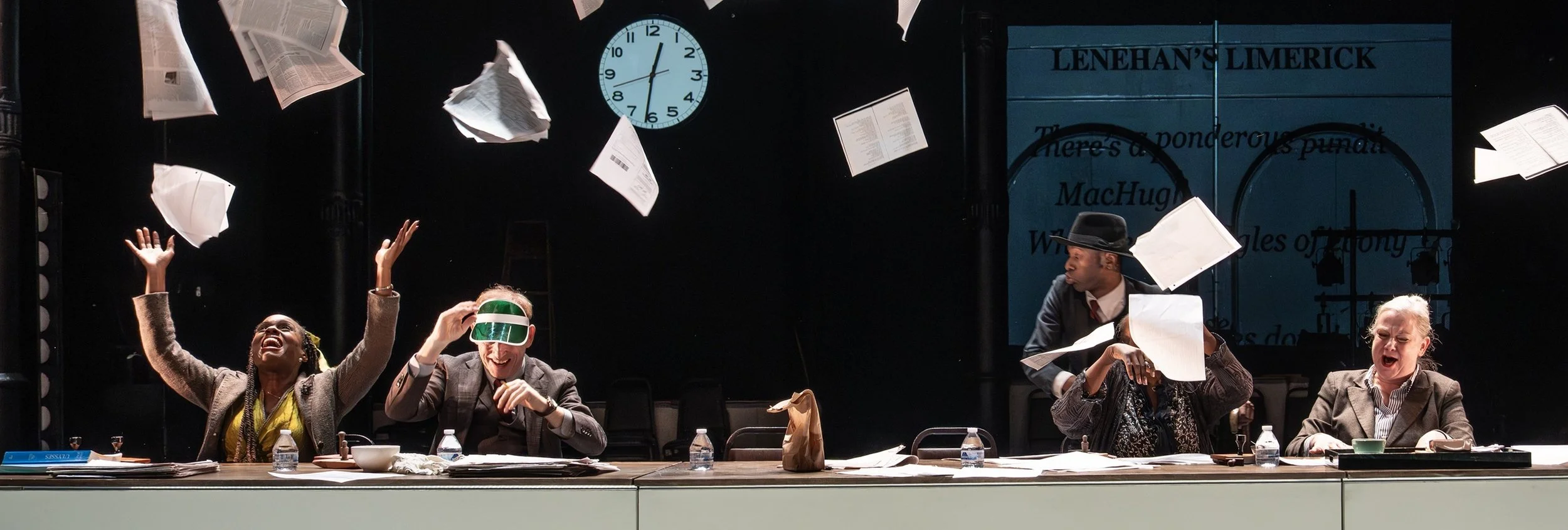
Gatz, the signature creation of downtown theater troupe Elevator Repair Service (ERS), included every sentence of F. Scott Fitzgerald’s 1924 novel The Great Gatsby, with each performance running a whopping eight hours (including intermissions and dinner break). At the Public Theater these days (16 years after Gatz premiered there), ERS is offering its take on Ulysses, the ravishingly innovative novel—serialized in 1918, published in book form in 1922—that secured James Joyce’s position as preeminent pioneer of stream-of-consciousness narrative in English. As with Gatz, the script of Ulysses consists entirely of the novelist’s original prose; this time, though, there are numerous elisions, permitting each performance to clock in at a mere two hours and 40 minutes.

And Then We Were No More
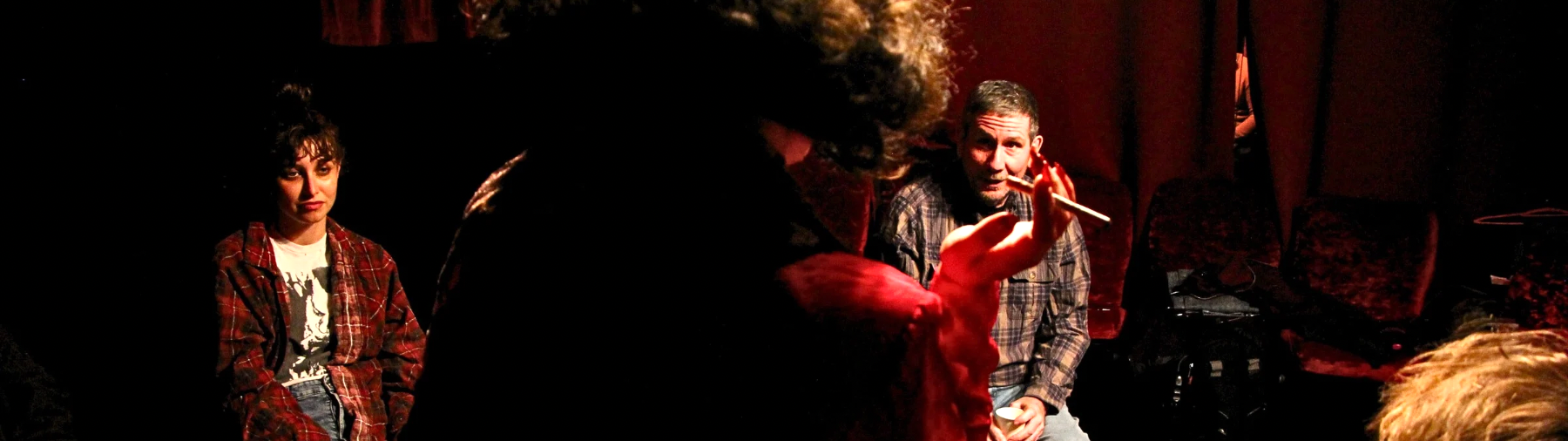
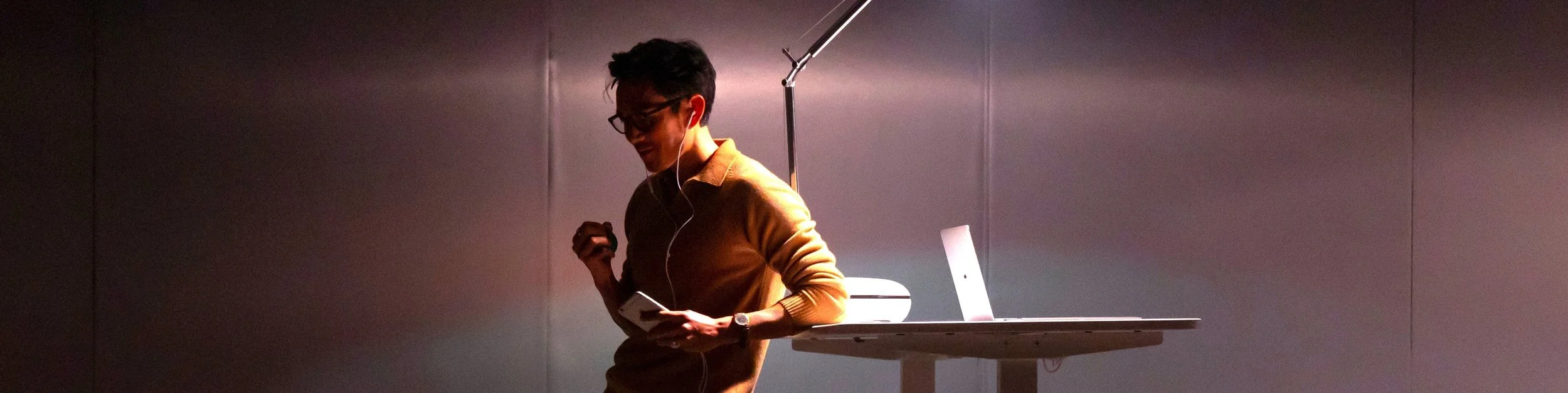
This is pretty high-profile stuff for La MaMa, and a far more elaborate production than their norm: A major stage performer and a noted film actor in a new play by a well-known movie and TV actor. And Then We Were No More, by Tim Blake Nelson, thrusts the audience into a depressing future that may not be far off—but one that feels more familiar, what with the surfeit of apocalyptic and otherwise downbeat futuristic dramas flooding the marketplace, than Nelson likely intended.
Measure for Measure
Duke Vincentio of Vienna doesn’t have time to sit and chat. He’s got a dukedom to observe in disguise. “Our haste from hence is of so quick condition,” he says at the start of Shakespeare’s Measure for Measure, “that it prefers itself and leaves unquestioned matters of needful value.” Elevator Repair Service’s gaga production of the play at the Public Theater is in as big a hurry as the Duke, but achieves the opposite effect: it tears through the niceties of Shakespeare’s plot only to screech to nearly a full stop in the scenes of highest tension, ensuring that none of the most meaningful fragments of “needful value” passes unheard, if not unfelt.


